
Sound healing is an ancient wellness practice that uses vibrations, frequencies, and sacred instruments to support relaxation, awareness, and inner balance. Explore how sound baths with crystal bowls, gongs, and healing sounds create a deeply restorative experience for the mind, body, and soul.


Understanding the Power of Vibrations and Sacred Sound
If you’ve searched “what is sound healing,” “what is a sound bath,” or “why do I cry during sound healing”
here is a clear and honest answer….
Sound healing is a practice where instruments like Himalayan singing bowls, crystal bowls, gongs, and chimes are played around and over your body while you lie down and simply receive. You don’t do anything. You don’t perform. You just let the sound move through you.
Your body is made mostly of water, and water moves with vibration. When deep, slow tones surround you, your nervous system gets a clear signal that it’s safe to stop being on alert. Your breathing slows on its own. Your mind, which has been running a hundred tabs all day, starts closing them one by one.
Sound healing is a holistic wellness practice that uses vibrations, frequencies, and intentional sound to support relaxation, mindfulness, and inner balance.
For centuries, cultures around the world have used sound, chanting, mantras, rhythm, and vibrations as tools for meditation, spiritual connection, and personal transformation. From ancient traditions to modern wellness practices, sound has been recognised as a powerful way to create moments of stillness and awareness.
Today, sound healing has become a growing wellness practice where individuals experience immersive sound journeys using sacred instruments.
A sound healing session allows individuals to slow down, disconnect from external distractions, and enter a meditative state through intentional sound and vibration.
What People Actually Feel During and After a Session?
- A heaviness in the body, like sinking into the floor
- Random emotions surfacing tears, laughter, or nothing at all, and that’s completely okay
- A kind of mental quiet that’s hard to describe until you’ve felt it
- Better sleep that night, often the best sleep in weeks
- A lightness the next morning, like something old finally left the building
Why People Cry During Sound Healing?
This is one of the most common questions we hear, and it is entirely normal. Sound moves past the thinking mind and speaks directly to the nervous system and the emotional body. Tears are rarely a sign that something is wrong more often, they are a sign that something held too tightly has finally found room to release.
Who Is Sound Healing For?
Anyone. You don’t need to be “spiritual,” experienced in meditation, or flexible. If you have a body and a nervous system, sound healing works on you. It’s especially helpful if you’re dealing with stress, poor sleep, anxiety, grief, or simply the exhaustion of modern life.
- Sound healing helps calm an overactive nervous system, ease anxiety, improve sleep, and release stored emotional tension without you having to do anything except lie down and receive.
- A typical session runs 45 minutes to an hour, giving your body enough time to fully drop in and settle.
- It's completely normal to fall asleep during a session. Falling asleep just means your body trusted the space enough to fully let go.
- No prior experience is needed, it's one of the most beginner-friendly practices. You simply lie down and listen.
- Once a week is a wonderful rhythm if you're moving through a stressful season; once or twice a month works beautifully as ongoing maintenance for the mind and body.
How Guided Meditation Helps You Find Inner Peace ?
In today’s fast-paced world, our minds are constantly processing information, responsibilities, emotions, and expectations. Many people are searching for ways to feel calmer, reduce mental stress, improve focus, and create a more balanced relationship with their thoughts. Developing a calm mindset is not about eliminating thoughts completely; it is about learning how to observe, understand, and respond to them with awareness.
A calm mindset allows us to move through life with greater clarity, emotional balance, and a deeper connection to ourselves. Through practices such as mindfulness and guided meditation, we can create moments of stillness that support our mental, emotional, and overall well-being.
Guided meditation helps bring awareness to the present moment and encourages a healthier relationship with your thoughts. When practiced regularly, it can support relaxation, emotional awareness, and mental clarity.
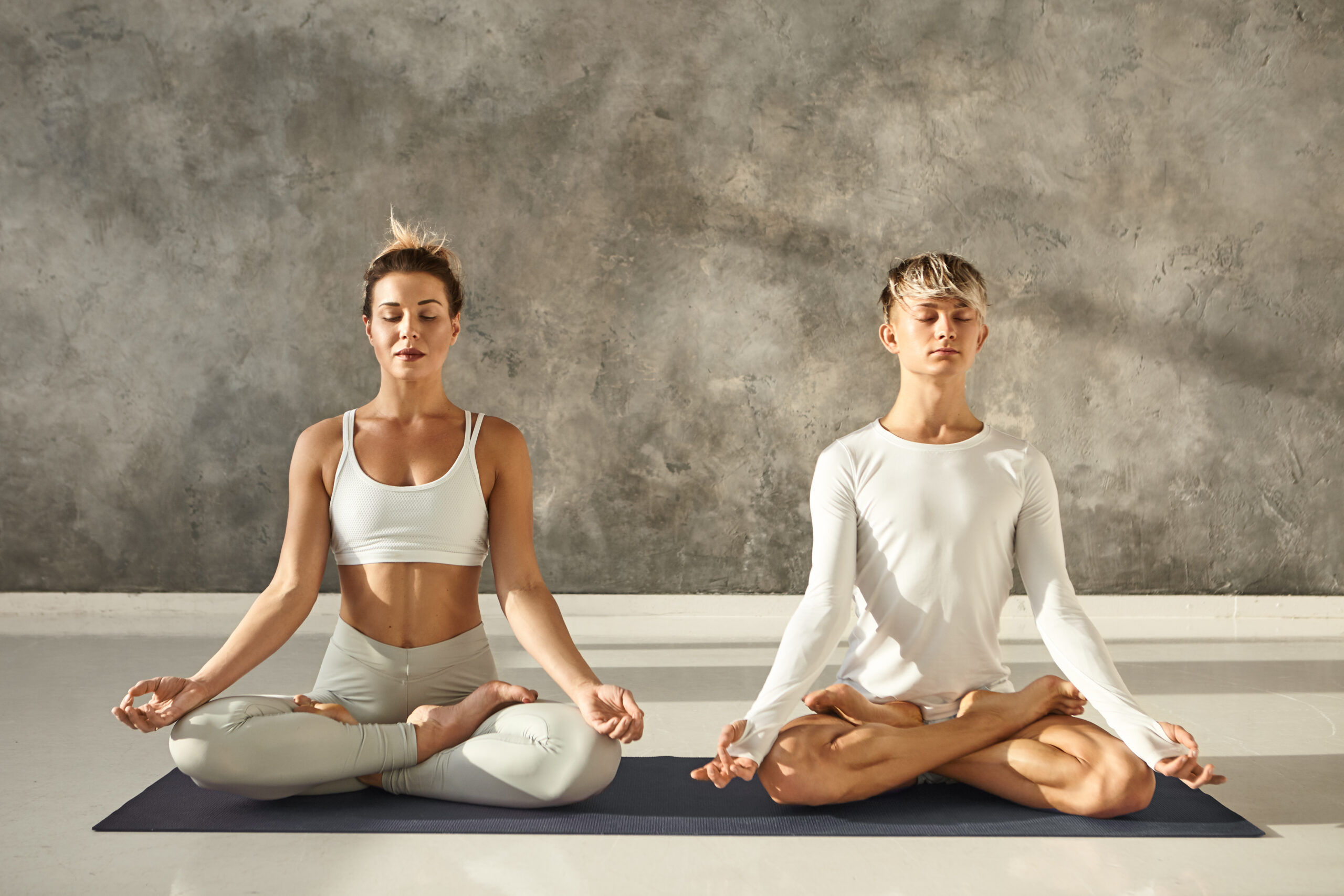
Some benefits of guided meditation include:
- Reducing feelings of stress and mental overwhelm
- Supporting relaxation and emotional balance
- Improving focus and mindfulness
- Helping you become more aware of your thoughts and feelings
- Encouraging self-compassion and inner connection
- Creating a sense of calm and grounding in everyday life
How to Create a Calm Mindset Through Daily Practice
Creating a calm mindset is a journey that begins with small, consistent steps. Simple practices such as mindful breathing, meditation, spending time in nature, journaling, and creating moments of silence can help you reconnect with yourself.
A calm mindset grows when you learn to pause before reacting, listen to your inner needs, and create space for awareness. Even a few minutes of intentional stillness each day can make a meaningful difference in how you experience life.


Comments
ahmed
Thanks for sharing this information is useful for us.